
Breast reconstruction education
Implants or Natural Tissue? Choosing Your Breast Reconstruction
There are two main ways to reconstruct a breast after mastectomy: with an implant, or with your own tissue. Both are options. They differ in how they feel, how they sustain over time, and how they respond to radiation. This page lays out the differences side by side.

01
Side by Side
In natural tissue (autologous) reconstruction, a new breast is created from the patient’s own skin and fat, taken from an area such as the abdomen, thighs, buttocks, or back.
| Implant reconstructionSaline or silicone device, often after a tissue expander | Natural tissue reconstructionYour own skin and fat, moved with microsurgery | |
|---|---|---|
| What it's made of | A manufactured device placed under the skin or muscle | Your own living tissue, from the abdomen, thighs, buttocks or back |
| How it feels | Often firmer and cooler than a natural breast | Warm and soft, like a natural breast |
| Over time | Not a lifetime device. The longer you have implants, the more likely they are to need removal or replacement. | Part of your body. It changes with your weight and ages with you. |
| Future surgery | The FDA advises patients to assume they will need more surgery. | No device to replace. Fewer revisions overall. |
| Capsular contracture | A risk: scar tissue around the implant can tighten and harden | Not a risk, because there's no implant |
| With radiation | Higher risk of contracture, poor healing and failed expansion | Tolerates radiation better and brings fresh, healthy tissue to the area |
| Surgery & recovery | Shorter first operation. Often several steps if an expander is used. | Longer operation and hospital stay, with recovery at the donor site as well |
| Scars | On the breast only | On the breast and at the donor site, usually placed where clothing covers it |
| Device-related risks | FDA boxed warning covers rare cancers in the scar capsule (BIA-ALCL) and reported systemic symptoms | None, because no device is used |
“Feels like a brick.”
What one patient told us about her implant reconstruction before she came to Dr. Levine for natural tissue reconstruction.
02
Which may fit you
There’s no single right answer. These are common reasons women lean one way or the other. This will be discussed during your consultation.
Implants may fit if you…
- Want a shorter first operation and recovery
- Prefer not to have a scar at a donor site
- Have not had and won't need radiation
- Are comfortable with future surgeries to maintain or replace the implant
Natural tissue may fit if you…
- Want a breast that feels like your own and ages with you
- Have had or will need radiation
- Had problems with implants, such as capsular contracture, or want them removed
- Want to avoid a device and its long-term upkeep
Thin, or not much tissue at your abdomen? Tissue can come from the thighs, buttocks or back, or from two areas combined in a stacked flap. See procedures by donor site →
03
If you’ve had radiation
Radiation doesn’t take reconstruction off the table. It changes which method is most likely to give you a lasting result.
Radiation damages collagen and reduces blood flow. Skin becomes tighter, thinner and less elastic, so it can’t stretch the way an implant needs it to. Radiation is one of the strongest known risk factors for capsular contracture.
When reconstruction can happen
- 1Immediate
At the same time as the mastectomy. Usually recommended for women who won't have radiation.
- 2Staged-immediate
Within about two weeks after the mastectomy.
- 3Surgical delay
A brief outpatient procedure about a week before reconstruction to strengthen the tissue's blood supply.
- 4Most common after radiationDelayed
Months or years after mastectomy. About six months after radiation lets the tissue settle.
Implant safety and breast implant illness
Some women with implants report symptoms throughout the body, such as fatigue, brain fog, and joint and muscle pain. This is often called breast implant illness (BII). It isn't a formal diagnosis, and its cause isn't known yet, but the FDA now asks that patients be told about it before getting implants.
What the FDA says
Boxed warning since 2021
In October 2021, the FDA required breast implants to carry a boxed warning, its strongest labeling, along with a patient decision checklist.
Not lifetime devices
The FDA says patients should assume they'll need more surgery, and that the longer you have implants, the more likely they'll need to be removed or replaced.
Systemic symptoms
The FDA acknowledges reports of chronic fatigue, brain fog, and joint and muscle pain that “may not meet the diagnostic criteria to be categorized as a disease.”
Rare cancers in the capsule
BIA-ALCL, a lymphoma, can develop in the scar tissue around an implant. In 2023 the FDA also reported cases of squamous cell carcinoma in the capsule.
What studies show after implant removal
What this means: Many women who have implants removed for these symptoms report feeling better, but the studies are small and the cause is still unclear. If you have implants and symptoms like these, talk with your doctor. Removing implants and rebuilding with your own tissue is an option Dr. Levine offers.
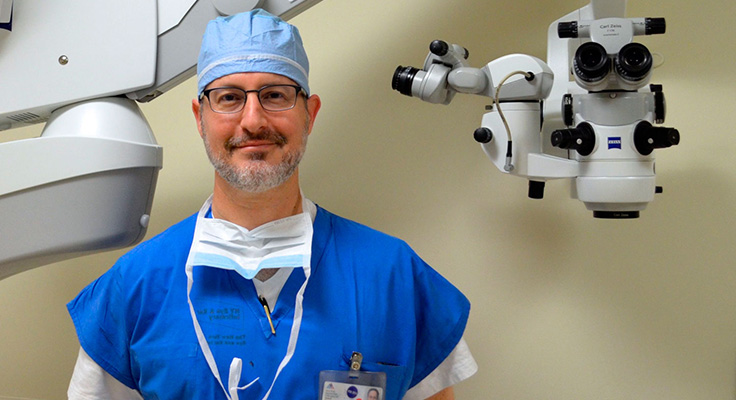
Dr. Joshua L. Levine has focused exclusively on natural tissue perforator flap reconstruction since 2004.
Dr. Levine helps women choose between options, including women who were told implants were their only choice. As a world-renowned microsurgeon, he has dedicated his practice exclusively to microsurgical perforator flap breast reconstruction since 2004, and has completed more than 1,700 reconstruction procedures.
About Dr. Levine →Questions to think about
Bring your answers to your consultation.
- Have I had, or will I need, radiation?
- How do I feel about future surgeries to maintain an implant?
- How important is it that my breast feels warm and natural?
- Can I plan for a longer first surgery and recovery?