
newly diagnosed with breast cancer
You’ve just been diagnosed with breast cancer. Here’s what to know about reconstruction.
A new diagnosis brings a lot of decisions at once. This page walks through the timing, the choices, and where natural-tissue reconstruction fits, so you can have an informed conversation with your care team, on your own timeline.

First, a few things worth knowing
When reconstruction happens
Immediate vs. Delayed Reconstruction
Reconstruction can happen in the same surgery as your mastectomy, or well after your other treatment is finished. There’s no single right answer. It depends on your diagnosis, your treatment plan, and what feels right to you.
* Your oncologic team and your reconstructive surgeon coordinate on timing together. This is a shared decision, not one you make alone.

the core procedure decision
Implants vs. Your Own Tissue
Once you know you want reconstruction, the next decision is what it’s built from: an implant, or tissue from your own body, often called autologous, or “natural tissue,” reconstruction. Both are well-established options. The right one depends on your body, your treatment plan, and what matters most to you.
Not sure which fits your situation? Contact us today for a consultation.


Learn more about natural reconstruction
Natural tissue reconstruction, explained
A few short videos on what natural-tissue reconstruction actually involves, from the practice’s own procedures and patients.
DIEP Flap Breast Reconstruction Procedure Illustration, Narrated by Dr. Levine
Advanced Autologous Reconstruction, Narrated by Dr. Levine
Breast Reconstruction Scars and Treatments, Narrated by Dr. Levine
Your Surgeon
Meet Dr. Joshua L. Levine
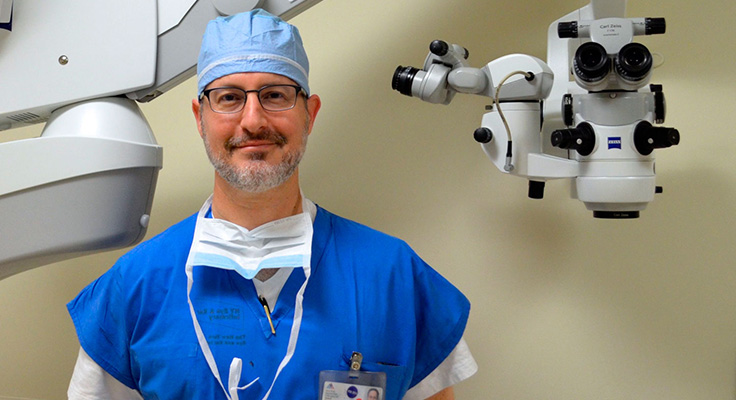
Dr. Joshua Levine has spent more than two decades in microsurgical breast reconstruction. In 2004, he began pioneering perforator flap techniques, including DIEP flap reconstruction, that use a woman’s own tissue to rebuild the breast without sacrificing abdominal muscle.
His background spans both reconstructive and cosmetic surgery, and his practice is kept deliberately small so each patient has his direct attention through planning, surgery, and recovery.
Common questions